

Augmented Reality (AR) is transforming how fans experience live sports and how brands advertise during events. Here’s what you need to know:
- What AR Does: Adds digital elements like real-time stats, virtual replays, and interactive features to live sports via smartphones or AR glasses.
- Why It Matters: AR boosts fan engagement, integrates ads seamlessly into the game, and provides real-time insights for advertisers.
- Key Features:
- Live Stats Overlays: Real-time game data like shooting percentages and player movements.
- Interactive Mini-Games: Fun AR challenges during game breaks.
- Player Interactions: Scan images for exclusive content like behind-the-scenes videos.
- Top AR Campaigns:
- NBA’s AR portal for virtual locker room tours.
- NFL’s team-branded AR filters during the Super Bowl.
- UEFA’s interactive stadium tours with historical highlights.
- Tools and Platforms: Smartphone AR dominates, but AR glasses are emerging. Development tools include native SDKs and web-based solutions.
- What’s Next: 5G and AI will enhance AR features like real-time player recognition and interactive replays.
AR is shaping the future of sports marketing by creating engaging, personalized, and real-time experiences for fans and advertisers alike.
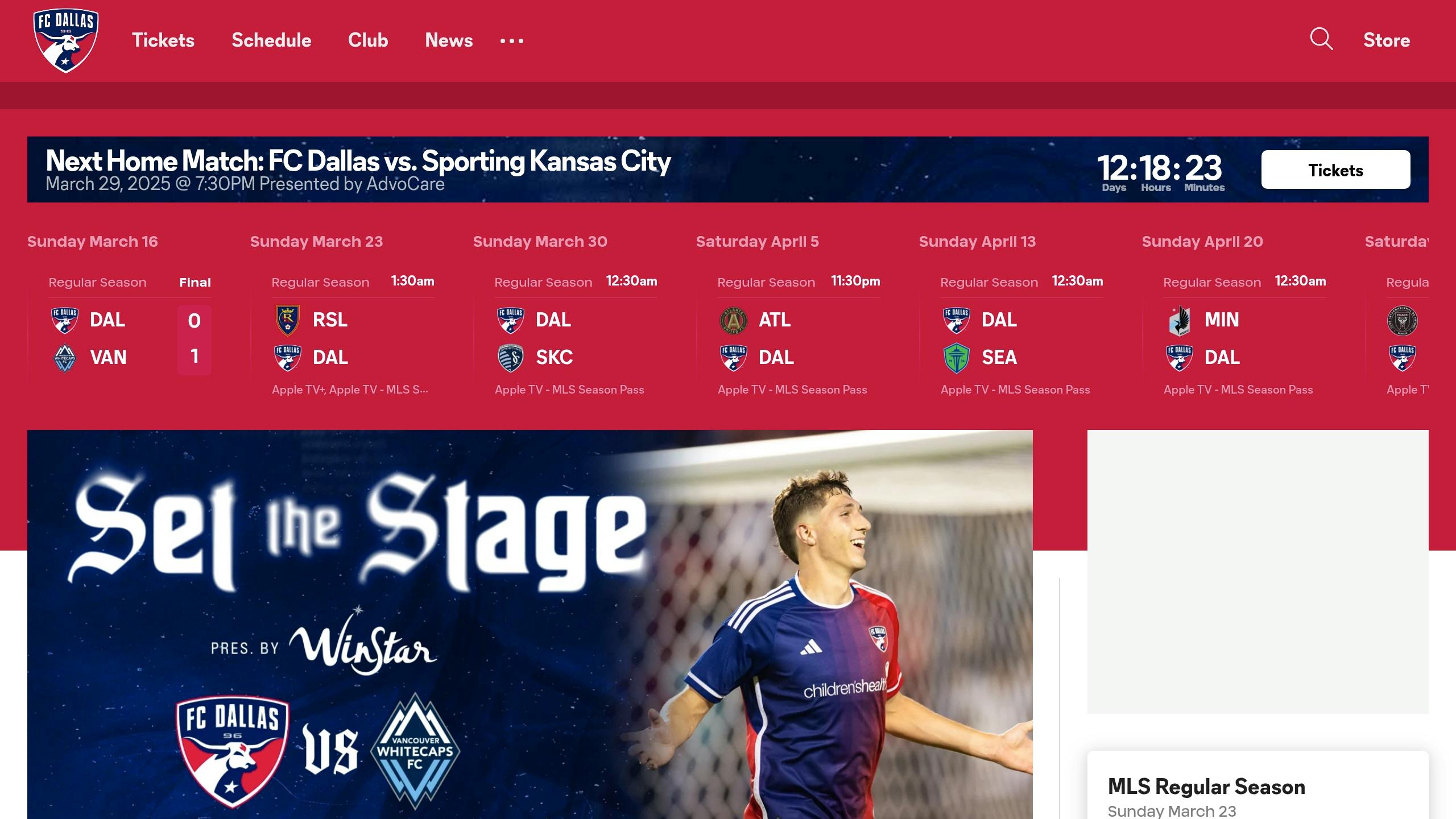
AR Fan Engagement in Stadium: FC Dallas Interactive Murals
AR Fan Engagement Features in Live Sports
AR is changing the way fans experience live sports by blending digital elements with real-time action. Here are some standout features that are boosting fan interaction.
Live Stats and Data Displays
With AR overlays, fans can see real-time stats like shooting percentages, matchup breakdowns, shot trajectories, and defensive setups. This lets viewers toggle between the regular game action and detailed analytics, giving them a deeper understanding of the game.
In-Game AR Activities
During breaks in the action, brands use AR-driven mini-games and virtual challenges on mobile devices to keep fans entertained. These activities hold attention and add a fun, interactive twist to the live event.
Player AR Interactions
Sports teams use AR to offer fans exclusive content. By scanning player images through sports apps, fans can access behind-the-scenes videos, personalized messages, and interactive animations. These features are especially popular with younger audiences, showcasing how AR can reshape fan engagement.
Top AR Sports Ad Campaigns
Augmented Reality (AR) is reshaping how fans experience live sports, making ad campaigns more interactive and effective. AR advertising has become a key tool for increasing fan engagement and delivering measurable results. Creative technologist Abhilash Krishnan highlights how AR is transforming live sports experiences. Here are some standout campaigns that showcase AR’s role in captivating sports fans.
NBA AR Portal Experience
The NBA teamed up with Meta to create an immersive AR portal. This portal allowed fans to virtually step into digital locker rooms and access exclusive game content, offering a fresh way to connect with the sport.
NFL AR Social Media Filters

During the Super Bowl, the NFL launched team-branded AR filters on social media. These filters let fans interact with dynamic visuals and real-time stats, boosting fan interaction and expanding the league’s online presence.
UEFA Champions League Interactive Stadium Tours
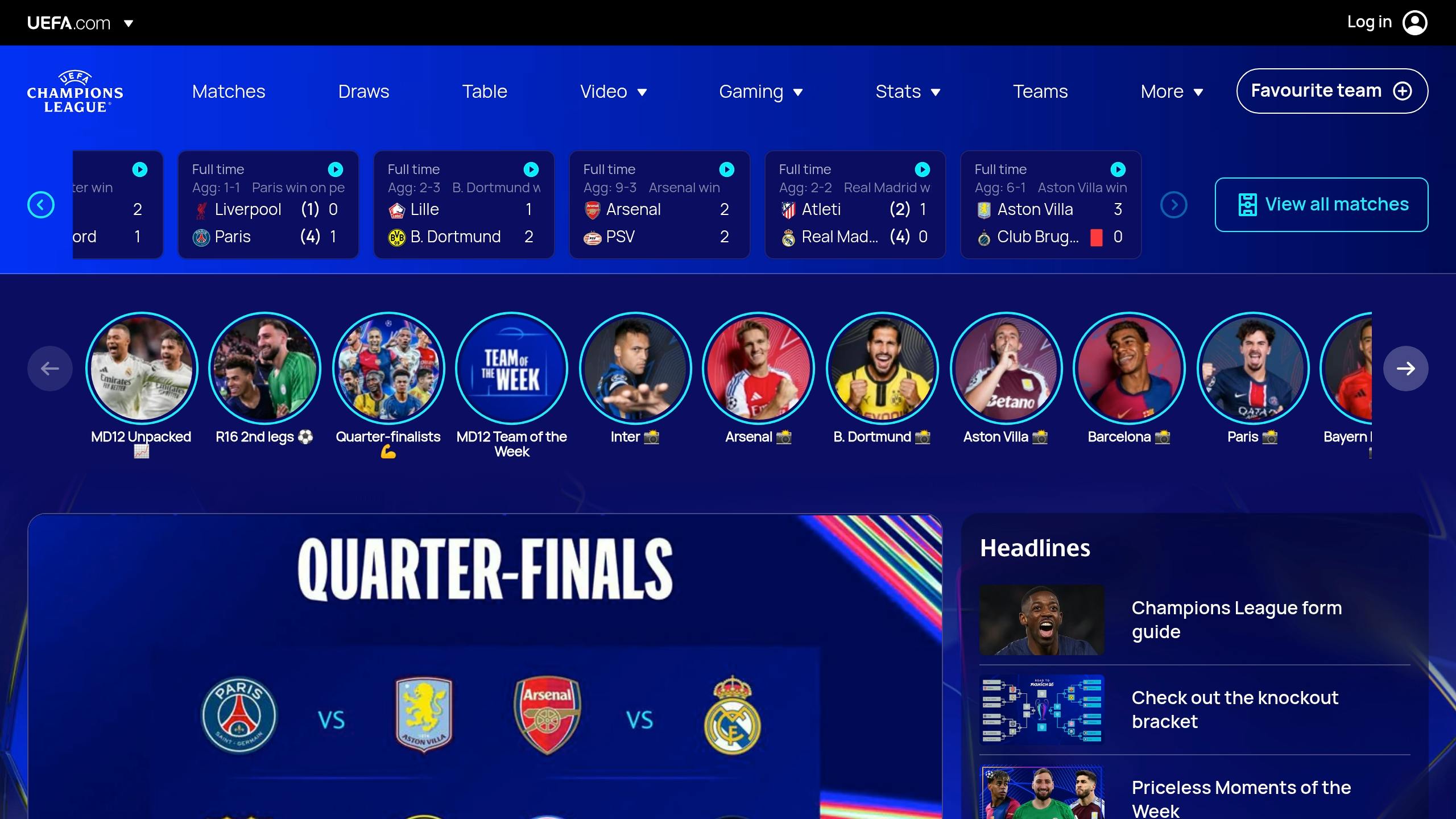
UEFA introduced AR-powered stadium tours that featured interactive overlays and highlights of historical moments. This approach strengthened fan connections while opening up new opportunities for sponsorships.
sbb-itb-9ef3630
AR Ad Tech and Platform Options
AR ad technology for live sports is advancing quickly. Mobile AR expert Abhilash Krishnan highlights that selecting the right platform and development method plays a key role in creating effective sports AR campaigns. These choices form the backbone of the integrations discussed below.
Phone AR vs. AR Glasses
Smartphones dominate as the go-to platform for sports AR advertising, thanks to their widespread global use. On the other hand, AR glasses offer a hands-free and immersive experience but are still in the early stages of adoption, facing challenges like limited battery life. Each option has its advantages – smartphone AR is generally more affordable and accessible to a larger audience, while AR glasses provide a more interactive and futuristic experience.
AR Development Tools
Advanced frameworks are making it easier to create engaging AR experiences for live sports. Popular options include native AR platforms for mobile devices and web-based tools. These solutions can power features like interactive stats overlays and player tracking, often without requiring users to download a dedicated app.
AR Sports App Integration
Integration methods range from native SDKs to web-based AR accessed via QR codes, as well as cross-platform frameworks for both iOS and Android. These approaches enable real-time analytics and interactive sponsorships, setting the stage for even smoother user experiences in the future.
What’s Next for Sports AR Ads
5G’s Impact on AR in Sports
The rollout of 5G networks has taken AR in sports to the next level. With faster speeds and lower latency, AR overlays now sync seamlessly with live action, creating interactive and engaging experiences for fans.
Emerging AR Features in Sports
Thanks to improved connectivity, AR is evolving rapidly. New features now combine AI with advanced visuals, allowing real-time player data recognition and interactive replays. These tools not only enhance the viewing experience but also open up new sponsorship opportunities by offering unique ways to engage fans.
AR Integration Across Sports Leagues
Sports leagues are increasingly seeing AR as a key part of their digital strategies. Many are testing AR features in mobile apps and in-stadium experiences to enhance fan interaction. Creative technologist Abhilash Krishnan (https://abhilashkrishnan.com) notes that the blend of advanced network tech, AI, and AR is reshaping live sports advertising, ensuring AR’s growing influence in this space.
Conclusion: AR’s Role in Sports Marketing
Augmented Reality (AR) is changing the game in sports advertising with its ability to create engaging digital experiences. By blending live sports action with interactive content, AR is becoming a go-to tool for sports marketers aiming to connect with audiences in real time.
From live stats overlays to interactive player features, AR is reshaping how brands approach advertising. With mobile-first strategies and advanced advertising technologies, brands can offer personalized and context-driven experiences that truly resonate with fans.
For advertisers aiming to tap into AR’s potential in sports marketing, focusing on these three areas is key:
- Prioritize mobile platforms like smartphones and tablets.
- Work with AR specialists to integrate features seamlessly into sports apps.
- Design experiences that add value to live sports viewing.
As technology continues to advance, AR offers endless possibilities for sports marketing. Brands that use these tools to create engaging campaigns can boost both fan interaction and return on investment in this fast-evolving space.