
Want to know how users engage with your ads and content? Two key metrics – Session Duration and Session Frequency – can help you understand user behavior and improve your campaigns.
- Session Duration: Measures how long users spend on your site in a single visit. Longer durations mean higher engagement. For example:
- B2B: ~1 min 17 sec
- B2C: ~1 min 32 sec
- Education/Travel: ~3 min
- Financial Services: Over 4 min
- Session Frequency: Tracks how often users return to your site. Higher frequency shows loyalty and repeat interest, ideal for apps, subscriptions, and platforms needing regular engagement.
Quick Comparison
| Metric | Measures | Ideal For | Benchmarks (Varies by Industry) |
|---|---|---|---|
| Session Duration | Time spent per visit | Content-heavy sites, blogs, media | 2–4 minutes |
| Session Frequency | Return visits over time | Apps, subscriptions, loyalty goals | Higher = Better |
Both metrics are critical: Duration shows engagement quality, while Frequency reflects loyalty. Use them together to refine your ad strategy, improve user experience, and drive conversions.
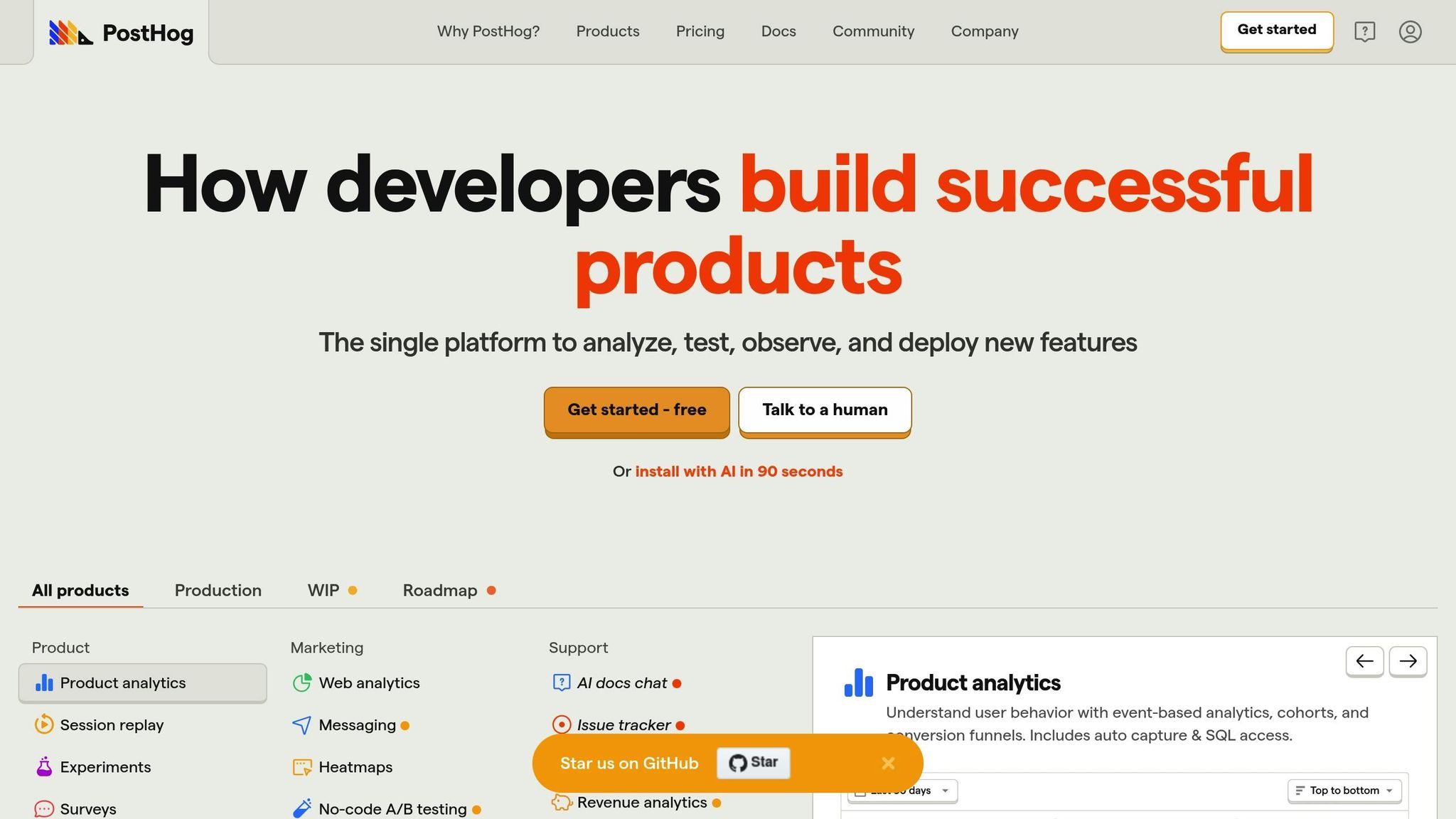
Calculating session duration, time on site, and other session-based metrics – PostHog tutorial
Main Differences Between Session Duration and Frequency
While both metrics help measure user engagement, session duration and session frequency focus on different aspects of that engagement. Understanding these distinctions is key to selecting the right metric for your campaign goals and business needs.
How Each Metric is Tracked
Session duration measures how much time users spend actively engaging with your content. Analytics tools calculate this by recording entry and exit timestamps, along with any interactions during the session.
Session frequency, on the other hand, tracks how often users return to your site or app within a specific period. This is done using tools like cookies, device IDs, or login credentials to identify repeat visits. The two metrics are calculated differently:
- Session duration is the total time spent across all sessions divided by the number of sessions.
- Session frequency is the total number of impressions divided by the number of unique users.
These unique tracking methods provide different insights into user behavior.
What Each Metric Tells You
Session duration offers a window into how deeply users engage with your content during a single visit. A longer session often indicates higher interest – whether users are reading, exploring multiple pages, or completing specific actions.
Session frequency, by contrast, sheds light on user loyalty and habits. It shows how consistently users return to your platform. A higher frequency suggests that your site or app offers recurring value, which may indicate the success of your engagement strategies.
For instance, one user might spend a long time on your site in a single visit, while another user visits frequently but for shorter durations. Both behaviors provide valuable but distinct insights.
When to Use Each Metric
The choice between session duration and frequency depends on your goals and the type of platform you’re running.
- Session duration is particularly useful for websites and platforms that prioritize deep engagement, such as media outlets, educational sites, or content-heavy blogs. If success hinges on users consuming detailed articles or watching videos, tracking session duration can help you measure effectiveness. For many industries, an average session duration of 2–4 minutes is considered a healthy benchmark, though this can vary.
- Session frequency is more relevant for apps and services that rely on repeat engagement. Social media platforms, fitness apps, productivity tools, and subscription-based services thrive on frequent user visits. For example, streaming services often see high repeat usage – 66% of Americans aged 18 to 44 use these platforms several times a day – highlighting the importance of session frequency.
Ultimately, your focus on session duration or frequency will depend on your campaign’s position in the conversion funnel. Initiatives aimed at building awareness and educating users may benefit more from tracking session duration. Meanwhile, retention and loyalty campaigns should prioritize session frequency to measure long-term engagement success.
How Session Duration and Frequency Affect Ad Campaigns
Session duration and frequency play a critical role in shaping how ad campaigns are structured, where ads are placed, and how they are optimized for success.
User Engagement and Return Visits
Let’s break down how these metrics influence user engagement and return visits.
Session duration is a key indicator of how well your content connects with visitors. When users spend more time on your site, it’s a sign that your content aligns with their interests, making it a prime opportunity for ad placements. In fact, longer sessions often lead to better search rankings – data shows that a 20% increase in session duration can boost rankings by 5%, while doubling the session duration could lead to an 18% improvement. These insights not only reflect strong engagement but also help pinpoint where ads can be most effective.
On the other hand, session frequency reflects user loyalty and retention. When users return frequently, it’s a sign of trust and sustained interest, which makes them more receptive to ads. Tracking session frequency allows you to identify your most engaged audience segments, which are ideal for retargeting campaigns.
Ad Placement and Performance
Understanding user session patterns is essential for placing ads that make an impact. For instance, long session durations suggest that users are deeply engaged with your content, making mid-content ad placements or native advertising formats particularly effective. For users with shorter but frequent sessions, ads that grab attention quickly – like banners or pop-ups – may work better.
Session patterns vary widely across industries, and these differences can guide your ad placement strategy. For example:
- E-commerce sites: Average session durations range from 2–3 minutes.
- News and media sites: Sessions typically last 3–4 minutes.
- Educational platforms: Sessions can extend to 5–7 minutes or more.
- B2B companies: Average session duration is about 1 minute 17 seconds, compared to B2C companies at 1 minute 32 seconds.
For a B2B site with shorter sessions, high-impact, immediate ad placements might be most effective. Meanwhile, an educational platform with longer sessions can afford to integrate ads more subtly within the content.
Ad frequency is another critical factor. Research shows that after two exposures to the same ad, recognition increases to 90%, and purchase intent jumps to 56%. However, overexposure can backfire, leading to ad fatigue and diminishing returns. Striking the right balance is key to ensuring relevance while managing your budget effectively.
Sales Funnel Impact
Session duration and frequency also have a direct impact on the sales funnel, influencing how users evaluate and ultimately make purchasing decisions.
- Longer sessions: When users spend more time exploring your site and comparing options, it creates opportunities to guide them toward conversion through well-placed ads.
- Frequent sessions: Users who return multiple times demonstrate sustained interest, making them prime candidates for conversion-focused ads.
When users show both long session durations and high frequency, they represent a highly engaged audience segment. This group is well worth targeting with strategic ad investments, as they’re more likely to generate a solid return on investment.
"Optimal frequency is about hitting that sweet spot where your ads are seen enough times to make an impact but not so often that they lead to diminishing returns (or even annoying the viewer)." – Tatari
To manage this balance, it’s crucial to monitor and adjust ad frequency. Setting frequency caps can help prevent ad fatigue while ensuring your audience sees your message enough times to make an impact. Testing different frequency levels can also reveal the best exposure rate for your specific audience and campaign goals.
In short, session duration drives deeper engagement, while session frequency ensures repeat visits. Together, these metrics can accelerate conversions and improve campaign performance.
sbb-itb-9ef3630
How to Improve Session Duration and Frequency
Want to keep users engaged longer and coming back more often? Here’s how you can boost both session duration and frequency while enhancing user experience and ad performance.
Ways to Increase Session Duration
Speed up your website. Nobody likes a slow-loading site. Compress images, minimize HTTP requests, use browser caching, and rely on a CDN to ensure your pages load quickly and keep visitors from bouncing.
Focus on content that captivates. High-quality, engaging content can work wonders. For example, an educational portal saw a 30% increase in session duration by aligning its articles with popular search queries and adding visuals, videos, and interactive elements. The more engaging your content, the more likely users are to stick around.
Make it interactive. Add quizzes, polls, surveys, or interactive infographics to encourage active participation. A travel blog, for instance, boosted session duration by 25% simply by adding high-definition images and interactive maps.
Streamline navigation. A simple, intuitive site structure keeps users exploring. One retail site revamped its navigation and saw a 20% jump in session duration. Features like breadcrumb navigation and strategic internal links can make a big difference.
The payoff? Extending session duration by 20% could translate into a 15% increase in conversions.
Methods to Boost Session Frequency
Switch up your ads. Refresh ad creatives every 7–14 days on platforms like Facebook and Instagram to avoid ad fatigue. Net Conversion, for example, improved click-through rates and reduced costs by systematically rotating ad creatives after 10,000–20,000 impressions.
Segment your audience. Tailor your messaging by dividing your audience into smaller groups. Use frequency caps to control how often users see your ads – 3–5 impressions per week for brand awareness, 5–8 for consideration, and 8–10 for conversion.
Leverage AI for efficiency. Companies like Voodoo use template-based automation to quickly generate and personalize ad variants. This strategy saves time and improves engagement metrics.
Experiment with interactive ads. Formats like polls, quizzes, playable ads, AR filters, 360° videos, and shoppable ads can leave a lasting impression and encourage users to return.
Why does this matter? Overexposure to the same ads can cause a 30% drop in engagement, and 61% of consumers are less likely to buy from brands that overdo it.
Using Both Metrics Together
Combining improvements in session duration and frequency can significantly enhance campaign outcomes.
Set frequency caps and monitor performance. Take a page from Amazon’s Prime Day playbook: they capped display ads at 4 impressions per user per week, limited social media ads to 2 per day, and showed just one video ad per session on YouTube. The result? Higher click-through rates, better conversions, and a surge in Prime sign-ups and sales.
Optimize across channels. Adapt your messaging for each platform while using cross-channel frequency caps. Real-time tracking – monitoring metrics like click-through rates, ad relevance scores, and performance decay – helps maintain a balance between visibility and user experience. The Home Depot saw a boost in online sales during its spring campaign by capping impressions at 3 per user per week.
"Most brands don’t realize how much money they waste on fatigued ads until performance drops. It’s not just that people see the same ad too often, it’s that the ad has lost its impact. If your campaign isn’t keeping people engaged and driving action, it’s like repainting the walls of an empty house. Who’s it really for?"
– Ipsita Sinha, Head of PPC at INSIDEA
Deliver personalized content. Use first-party data to recommend dynamic content that keeps users engaged and encourages them to return. Spotify’s "Wrapped" campaign is a great example – it limits impressions to 3 per user per week while generating over 1 billion shares and driving subscriptions.
The secret to success? Continuous testing and refining. Use A/B testing to see what resonates with your audience. Remember, it’s not just about keeping visitors on your site longer – it’s about creating an experience that drives meaningful engagement and business growth.
Choosing the Right Metric for Your Campaign
Selecting the right metric isn’t about taking sides – it’s about aligning your measurement strategy with your campaign goals. Your objectives should shape which metric takes center stage, though often, both metrics work together to offer a fuller understanding of your campaign’s performance. This alignment is key to making informed decisions.
If your campaign focuses on deep engagement and encouraging users to explore your content, session duration should take priority. For example, e-commerce platforms usually see average session durations of 2–3 minutes, while news and media sites average 3–4 minutes. Educational platforms can go even further, reaching 5–7 minutes or more, as users take time to absorb detailed information. Campaigns featuring in-depth content, product demos, or educational materials benefit from tracking session duration to see if users are truly engaged.
On the other hand, session frequency is essential for campaigns aimed at building habits or encouraging consistent interactions. This metric is particularly valuable for subscription services, apps, or brands that rely on repeat visits. For instance, 66% of Americans aged 18 to 44 use streaming services several times a day. This highlights how frequent engagement can foster loyalty and long-term connections with your audience.
To refine your analysis, segment your data by factors like traffic sources, device types, and user demographics. For instance, mobile campaigns might show shorter session durations but higher frequency, while desktop users may engage for longer stretches but visit less often. Tracking trends over time and comparing them to industry benchmarks offers a clearer view than relying on isolated data points.
Balancing both metrics is crucial to staying aligned with your core objectives while keeping user satisfaction and business goals in focus. An engaged session rate above 50% is a positive sign, while a rate below 30% might indicate users aren’t finding enough value. However, longer session durations only matter if they contribute to meaningful user experiences and align with your business goals. By integrating these metrics into your overall strategy, you can better evaluate how users interact with your platform.
Ultimately, it’s about testing, adapting, and tailoring your approach to fit your audience and objectives. Engagement strategies for a news site may look very different from those for an e-commerce platform. Your audience, industry, and specific goals should guide which metric takes precedence, while keeping an eye on both to capture the full picture of user engagement.
FAQs
Should I focus on session duration or session frequency for my ad campaign?
Deciding whether to focus on session duration or session frequency comes down to your campaign goals and how your audience engages with your content. If your priority is to deepen user engagement and encourage them to spend more time exploring your app or website, then session duration should take center stage. Longer sessions often reflect that your content resonates with users and keeps them interested.
On the flip side, if your main objective is to boost brand visibility or encourage repeat visits, session frequency becomes more important. Regular visits indicate that users are returning often, which can be a strong sign of interest and loyalty. The key is to align your choice of metric with your marketing goals and the specific behaviors you want to encourage from your audience.
How can I increase both the time users spend on my website and how often they return?
To keep users engaged and encourage them to return, focus on crafting a website experience that’s both smooth and captivating. Start by optimizing your website’s performance – ensure it loads quickly, works seamlessly on mobile devices, and offers intuitive navigation. When your site is easy to use, visitors are more likely to stick around and revisit.
Next, provide content that truly connects with your audience. This could be anything from thought-provoking articles and engaging videos to interactive tools. Regularly updating your content keeps it fresh and gives users a reason to come back. On top of that, use internal links wisely to guide visitors to related pages, encouraging them to explore more of your site.
By focusing on these elements, you’ll create an online experience that not only grabs attention but also keeps users coming back for more.
How do session duration and ad frequency affect ad performance across different platforms and industries?
Session Duration and Ad Frequency: Keys to Ad Performance
Session duration and ad frequency are two major factors that shape how well ads perform, as they directly affect how engaged your audience is and how often they notice your ads.
Longer session durations typically signal that users are deeply engaged with a platform. This extended time spent on platforms like streaming services or social media creates more chances for ads to be shown and interacted with. Essentially, the longer users stick around, the more opportunities there are for your ads to make an impact.
Meanwhile, ad frequency – the number of times a user sees the same ad – requires careful attention. A moderate level of repetition can strengthen brand awareness and keep your message top of mind. But if users see the same ad too often, it can backfire, leading to frustration or even outright ignoring the ad. This is especially true in industries like retail or entertainment, where keeping users interested is a constant challenge.
The key is finding the sweet spot between session duration and ad frequency. By striking this balance, advertisers can fine-tune their strategies to boost engagement and get the most out of their ad campaigns.